
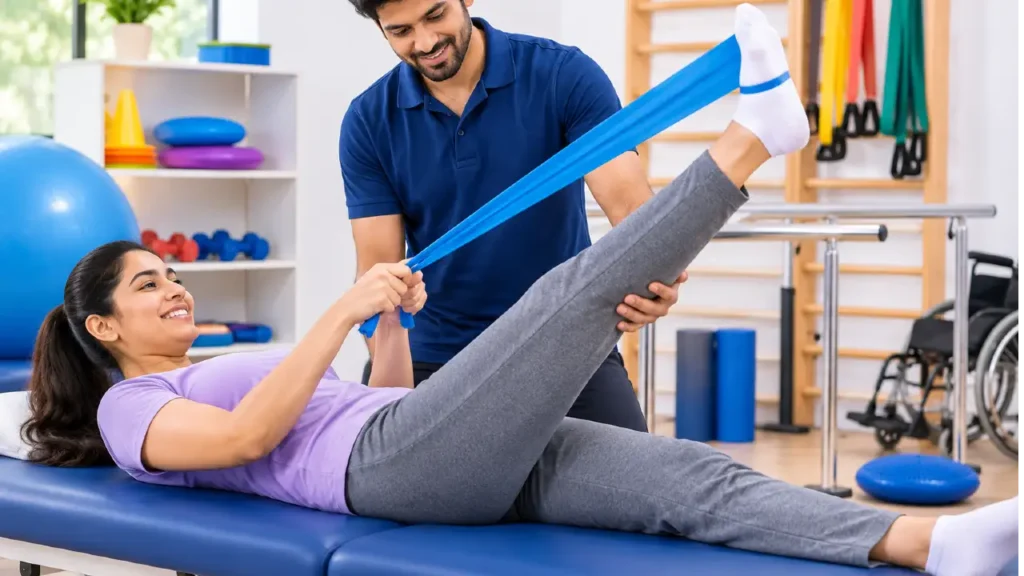
Physiotherapy has changed a lot over the years, though the core of it hasn’t. Hands-on treatment and guided exercise are still where rehabilitation actually happens. What’s different is how much equipment now sits alongside that work, giving therapists more ways to structure movement, build strength, and track progress as a patient recovers.
For clinics, hospitals, rehab centres, and even a well-set-up home space, keeping up with the latest physiotherapy equipment can widen what a therapist is able to offer. That said, newer isn’t automatically better. Equipment should be chosen around the patient’s actual needs, the therapist’s approach, and where it’s actually going to be used.
If you’re exploring physiotherapy equipment online, getting a handle on the different categories first makes the whole buying process much less overwhelming.
What Counts as Modern Physiotherapy Equipment
Physiotherapy equipment spans a wide range, some of it built for strengthening, some for balance, flexibility, coordination, or pain management specifically. None of it is designed to do just one job well. Most modern clinics run several types side by side rather than betting on a single machine.
A typical setup might combine strengthening equipment, balance tools, and therapy tables for positioning and movement work, all used depending on what a session actually calls for that day. That mix is what lets a therapist adapt a session to the person in front of them, instead of running everyone through the same routine regardless of what they actually need.
Why Is the Latest Physiotherapy Equipment Useful
The biggest advantage newer equipment offers is versatility. It lets a therapist build a controlled activity, then adjust the difficulty as the patient’s condition changes week to week.
A patient early in recovery from an injury might start with gentle, low-resistance movement. As strength and confidence build, the therapist can dial things up gradually rather than jumping straight to a harder exercise. None of that rehabilitation happens because of the equipment itself, though. The therapist decides how and when it gets used. Good equipment just gives them more options to work with.
Popular Online Physiotherapy Equipment to Consider
Looking into Popular Online Physiotherapy Equipment, it’s easy to get lost in how many individual products are out there. It helps to think in terms of what type of therapy each one supports, rather than comparing products one by one.
Therapy Tables and Treatment Furniture
Therapy tables are about as fundamental as physiotherapy equipment gets. They give a stable surface for assessment, treatment, stretching, and hands-on exercise work. Depending on the setting, a clinic might need a specific table configuration or size, hi-lo electric tables that adjust height for different treatment positions being a common example. Whatever the choice, it needs to support the patient properly while still fitting the treatment space without crowding it.
Exercise and Strengthening Equipment
Strengthening is a core part of most rehab programs. Dumbbells, resistance bands, exercise balls, and similar tools let a therapist introduce controlled resistance in a way that’s easy to track.
Resistance bands specifically aren’t as arbitrary as the colors might suggest. Manufacturers like Thera-Band color-code bands by measured force, tan and yellow at the lightest end, working up through red, green, and blue, to black, silver, and gold at the heaviest, with independent lab testing confirming real, distinguishable force differences between each color. That’s what lets a therapist move a patient up one level at a time with an actual, repeatable increase in resistance behind it, not just a guess.
Keeiko’s physiotherapy equipment range includes a selection of products built for different rehab and exercise needs.
Balance and Coordination Equipment
Balance gets affected by injury, aging, neurological conditions, and plenty else besides. Wobble boards, stability discs, and similar coordination tools get built into exercises aimed at improving controlled movement.
They also tend to make sessions more engaging, since a patient has a clear physical task in front of them rather than an abstract instruction to “improve your balance.”
Exercise Balls and Mobility Tools
Exercise balls are about as versatile as physiotherapy equipment gets. Depending on the exercise, the same ball can support balance work, core stability, stretching, strengthening, or controlled movement, all with one piece of kit.
Other mobility tools, parallel bars and gait trainers among them, support activities built around walking, stepping, and functional movement. Which ones actually make sense depends entirely on the patients a facility is treating.
What Should You Look for When Buying Physiotherapy Equipment Online
Buying physiotherapy equipment online is convenient, but the product specifications still need a proper look before you commit.
Start with who’s actually going to use it. A professional clinic usually needs heavy-duty products built for constant, repeated use, while someone searching for a physiotherapy machine for home might need something considerably smaller and simpler to operate. Space matters just as much. Measure the treatment or exercise area before ordering anything large. It’s a genuinely frustrating discovery when a product technically fits the room but leaves no real space for the patient or therapist to move around it safely.
Durability, weight capacity, materials, maintenance needs, and manufacturer support all deserve a look too, not just the headline price. Searching online for equipment physiotherapy teams can actually rely on day to day means checking all of that, not just what fits the budget.
Is Home Physiotherapy Equipment Worth Buying
Home rehab has become a lot more common, especially for patients continuing prescribed exercises between professional sessions. That said, home equipment shouldn’t get bought just because it looks simple to use. A physiotherapist is the one who should confirm whether a specific product actually suits the individual’s condition and treatment plan. Smaller exercise tools are often genuinely practical at home.
Bigger machines usually call for more space, more supervision, or specific safety precautions that a living room doesn’t always accommodate well. The best home equipment, in the end, is whatever the patient actually understands how to use correctly, and whatever fits into a rehab plan that already exists rather than replacing one.
How to Find the Best Physiotherapy Equipment Suppliers
Comparing Best physiotherapy equipment suppliers takes more than lining up prices side by side.
A reliable supplier should give clear product information and offer equipment genuinely built for professional use. Clinics should weigh product quality, availability, customer support, delivery, and after-sales help alongside whatever the price tag says.
Working with a supplier that covers several categories at once tends to make life easier too. It lets a rehab facility build a consistent setup instead of piecing one together from five different companies with five different support lines.
Keeiko carries a broad range of physiotherapy products for rehab settings, which makes its physiotherapy equipment collection a reasonable starting point when comparing what’s out there.
How to Get Physiotherapy Equipment at the Best Price
Looking for Physiotherapy equipment at best price makes sense, especially when a clinic needs several products at once. But the lowest number on the price tag shouldn’t be the only thing deciding it.
Think about how long the equipment is actually expected to last, how often it’ll get used, and whether it genuinely meets what the therapy program needs. A cheaper product that needs to be replaced all the time can actually cost more over time than a sturdier product that costs more up front. For clinics, value is really about quality, usability, and whether it holds up long-term, not just the initial number.
Buying several products together can also make sense when setting up or expanding a facility, particularly with a supplier who covers a wide enough range to make that worthwhile.
Choosing Equipment Based on Patient Needs
The most useful physiotherapy setup is one built around the actual patients coming through the door.
A sports rehab clinic probably prioritizes strengthening and mobility tools. A neurological rehab center likely needs more balance and coordination equipment. A pediatric facility looks different again from either one. That’s exactly why chasing the newest or most expensive equipment rarely turns out to be the right call on its own.
Before buying anything, it helps to nail down the main treatment areas, how many patients will actually use the equipment, the space available, and how much hands-on involvement the therapist needs to have.
Conclusion:
The latest physiotherapy equipment can genuinely widen what a therapist is able to do when designing a session, but the technology itself doesn’t determine how good the treatment is.
The best equipment is practical, durable, and suited to the people actually using it. Whether you’re setting up a professional clinic, expanding a rehab center, or looking for something sensible for home use, functionality and clinical relevance should come before anything else.
Compare specifications, get clear on what you actually need, and pick a dependable supplier. That combination builds a physiotherapy setup that supports real rehabilitation, rather than one that just looks impressive sitting in the room.
FAQs
What is the latest physiotherapy equipment used for rehabilitation?
In modern day clinics you’ll find therapy tables, exercise balls, strengthening equipment, balance equipment, mobility equipment and specific rehab machines. What is appropriate depends entirely on the needs of the patient and the type of therapy being provided.
Can I buy physiotherapy equipment online?
Yes. It is available online in a number of categories. Please check out the specs, dimensions, weight capacity, intended use and if any professional advice is required for safe usage before ordering.
What physiotherapy equipment is suitable for home use?
Smaller exercise and rehab tools are often good for home use, if recommended by a physiotherapist. Larger or more specialized machines generally require professional instruction and more space than the average home can afford to spare.
How do I choose a physiotherapy equipment supplier?
Check the quality and range of products, specifications, durability, customer service, delivery options and after sales service. Price matters, but it’s worth weighing against long-term value rather than treated as the only factor.
What is the most important physiotherapy equipment for a clinic?
There isn’t one piece every clinic needs equally. The right choice depends on the patients being treated, the services offered, the available space, and the rehab goals of the facility itself.