
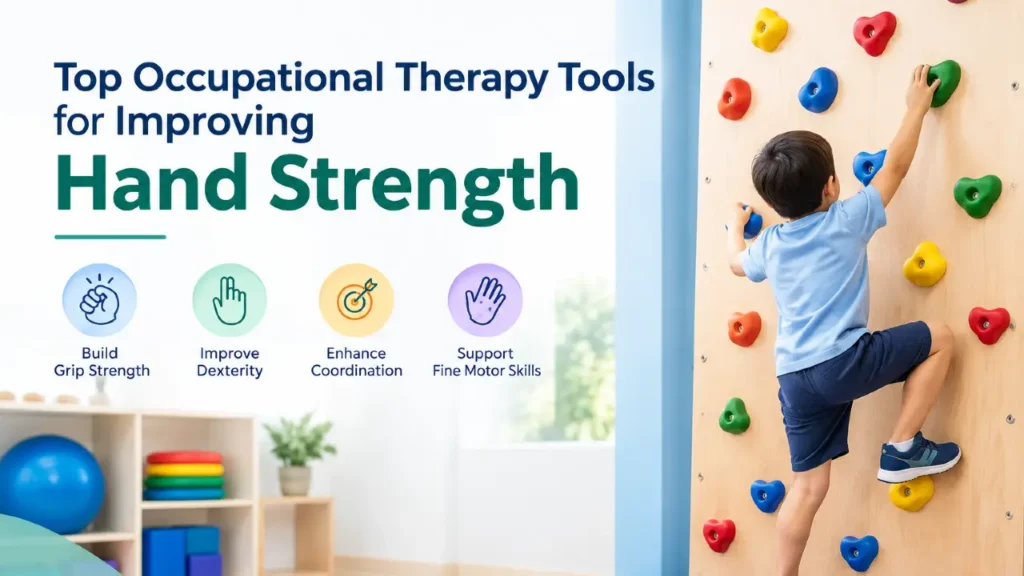
We use our hands for almost everything we do buttoning a shirt, holding a cup, writing, picking up small objects and everyday tools. Even simple tasks can be frustrating when injury, surgery, neurological conditions or developmental difficulties affect hand movement. Occupational therapy helps people to learn or regain the skills they need to do daily activities. This may involve strengthening the hands, improving finger control, developing coordination or practising specific functional movements, depending on the patient.
The equipment used during therapy can make these activities easier to structure and adapt. Keeiko’s occupational therapy equipment range includes products that can be used for different rehabilitation and therapy activities.
Why Are Hand Therapy Tools Important?
Hand rehabilitation is not simply about making the hands stronger. A patient may have a reasonable grip but still struggle with fine motor tasks, finger coordination or controlling an object. For that reason, occupational therapists may work on several areas during a therapy programme, such as:
- Grip and pinch strength
- Finger and wrist movement
- Fine motor control
- Hand-eye coordination
- Dexterity
- Functional hand movements
The equipment should match the activity being practised and the patient’s current level of ability. A tool that works well for one patient may not be appropriate for another.
Top Occupational Therapy Tools for Hands
There is no single piece of equipment that works for every type of hand rehabilitation. Different tools can be used for different activities, which gives therapists more flexibility when planning sessions.
1. Hand Function Kits
A Hand Function Kit Occupational Therapy setup can bring several activities together in one place. These kits are useful when therapy needs to cover more than basic grip strength. Depending on the components available, activities can involve grasping, releasing, manipulating objects and developing fine motor control.
For functional activities, Keeiko’s Occupational Therapy Dressing Toy Frames can also be considered. Dressing-related tasks give patients an opportunity to practise movements that have a direct connection with everyday routines.
2. Hand Strengthening Equipment
When reduced grip strength affects daily activities, therapists may introduce suitable resistance exercises as part of the rehabilitation programme.
Keeiko’s Occupational Therapy Dumbles can be used for appropriate strengthening activities. The Occupational Therapy Gel Exercise Ball is another option listed in Keeiko’s OT range for hand-focused exercise activities. The amount of resistance should be appropriate for the individual. The aim is controlled movement and gradual progression rather than simply making an exercise harder.
3. Hand Exercise Table
A stable working surface can make structured hand and upper-limb activities easier to organise in a professional therapy setting. Keeiko’s Occupational Therapy Table is designed specifically for children, with an adjustable height and features including a chair, drawer, book keeper and light.
For therapists working with children, having a dedicated table can help create a more organised space for activities that involve drawing, manipulation, fine motor work and other therapy tasks.
4. Fine Motor and Coordination Tools
Being able to pick something up is only part of hand function. The patient may also need to control the movement, position the fingers correctly and release the object at the right time.
Keeiko’s Occupational Therapy Plastic Cones can be incorporated into activities involving reaching, grasping and controlled movement. These types of tasks can make therapy more closely connected to movements that patients encounter outside the clinic.
How Do Occupational Therapy Tools Help Improve Hand Function?
The main benefit of using different tools is that they give therapists more ways to create purposeful activities.
For example, a strengthening activity may use Dumbles where resistance is appropriate. A Gel Exercise Ball can be incorporated into controlled hand exercises, while Plastic Cones can be used for activities involving reaching, grasping and releasing. For patients practising functional skills, Dressing Toy Frames can provide a task that relates directly to dressing movements. This gives the therapist an opportunity to work on hand control while the patient performs a recognisable activity.
The same principle applies to children. Giant Blocks, Plastic Cones and other activity-based OT equipment can be used as part of structured tasks where the therapist is working on manipulation, coordination and controlled movement. Keeiko currently lists these products within its occupational therapy range. The equipment itself is not the treatment. What matters is how the therapist selects and adapts an activity according to the patient’s needs.
Choosing Hand Therapy Equipment for a Clinic
A clinic serving adults will not necessarily need the same equipment as a paediatric occupational therapy centre. Patient age, treatment goals, available space and the type of therapy offered should all be considered before buying equipment.
Equipment for Adult Occupational Therapy
Adult rehabilitation may involve patients recovering from injuries, surgery or neurological conditions. Some patients may need to work on grip and upper-limb strength, while others may need more focus on coordination and functional movement. Depending on the clinic’s requirements, therapists may consider:
- Dumbles for appropriate resistance activities
- Gel Exercise Ball for suitable hand exercises
- Plastic Cones for coordination and controlled movement
- Dressing Toy Frames for functional task practice
- Dumbbell Rack Stand for organised storage of resistance equipment
A clinic does not need every product available. The better approach is to choose equipment based on the types of patients and treatment programmes the clinic actually handles.
Equipment for Paediatric Occupational Therapy
Children may need a different style of therapy setup. Activities often need to be engaging while still giving the therapist a clear therapeutic purpose. The equipment chosen for a paediatric setting should depend on the child’s age, abilities and the skills being worked on. A therapy space may need a combination of furniture and activity-based equipment that allows children to practise fine motor skills, coordination, manipulation and everyday tasks.
For example, dressing activities can give children an opportunity to practise movements involved in managing clothes, while construction and manipulation activities can encourage controlled hand movements and coordination. Other structured activities can be adapted by the therapist depending on the child’s individual needs and progress.
The aim is not simply to make therapy more interesting. Each activity should have a clear purpose and fit into the child’s wider occupational therapy programme.
What Should You Consider Before Buying Hand Rehabilitation Equipment?
Before purchasing hand therapy equipment, think about how the products will actually be used. The first consideration should be the patient group. Adult rehabilitation and paediatric therapy can require very different equipment. The clinic should also consider the amount of space available, how often the equipment will be used and whether it can support more than one type of activity.
Durability and maintenance matter too, particularly for clinics where equipment is used repeatedly throughout the day. It can also be useful to look at a complete occupational therapy equipment collection rather than choosing products individually without considering the wider therapy setup.
Hand Strength Is Only One Part of Rehabilitation
Improving grip strength can be an important part of therapy, but it is not the whole picture. A patient may need to strengthen the hand while also improving finger isolation, wrist movement, coordination or the ability to complete a specific daily task. This is why a combination of strengthening, fine motor and functional activities can be useful.
The right hand therapy tools should therefore be selected around the patient’s goals rather than simply choosing the equipment that appears most advanced.
Final Thoughts
Effective hand rehabilitation is about choosing activities that have a clear purpose and can be adapted to the person receiving therapy. The requirements of an adult rehabilitation clinic may be very different from those of a paediatric setting, so equipment should always be considered in that context.
For clinics and therapists, the focus should be on building a practical environment that supports the skills patients actually need to develop. When equipment is selected thoughtfully and used as part of a structured therapy programme, it can become a useful part of the rehabilitation process without becoming the focus of it.
What are the best occupational therapy tools for hands?
The right tools depend on the patient’s needs and treatment goals. Strengthening equipment, hand function activities, fine motor tools and functional task equipment can all have a place in hand rehabilitation.
What is a Hand Function Kit used for?
A Hand Function Kit can bring together different activities for practising grasping, releasing, manipulation, coordination and fine motor control. The activities should be selected according to the patient’s ability and therapy goals.
Can occupational therapy tools improve grip strength?
Suitable strengthening equipment can be incorporated into an occupational therapy programme to work on grip and hand strength. The therapist should determine the appropriate activity and level of resistance for the individual.
Which occupational therapy equipment is suitable for children?
Paediatric therapy may use products such as Occupational Therapy Tables, Dressing Toy Frames, Plastic Cones and Giant Blocks. The choice depends on the child’s age, abilities and the goals of the therapy programme.
What should a clinic consider when buying hand rehabilitation equipment?
Clinics should consider their patient population, treatment requirements, available space, durability, storage and how frequently the equipment will be used.
Are occupational therapy tools only used for hand strength?
No. Occupational therapy equipment can also be used for activities involving coordination, dexterity, fine motor control, functional movement and other skills required for everyday activities.